Read all about it! All DASLS news here
Latest News
WannaCry Cyber Attack - Update from Alchemy Systems
WannaCry Cyber Attack - Update from Alchemy Systems
A massive cyber-attack has struck organisations around the world. Among the worst hit was the National Health Service (NHS) in England and Scotland. According to the BBC about 40 NHS organisations and some medical practices were hit, with operations and appointments cancelled. As a precaution the NHS shut down all their IT systems.
Here at Alchemy Systems we were not affected neither were any of our clients. This is largely down to the fact that we ensure Windows automatic updates are enabled for all devices by default. This particular malware is heavy with file-based executables. This makes this particular threat very easy for an application whitelister to stop. We encourage all our clients to make use of a next generation Endpoint Protection product such as Adaptive Defence 360 from Panda Security. The application whitelisting function would have blocked this threat from the outset.
How WannaCry worked
So how did WannaCry attack so many organisations in so many countries?
The specific vulnerability that WannaCry uses to propagate itself is ETERNALBLUE. This is a vulnerability discovered by the United States National Security Agency (NSA). It was initially classified because it was very easy to ‘weaponise’ – this has now become very clear. Details of the vulnerability were released into the public domain by the group “Shadow Brokers” on April 15th as part of a larger trove of information stolen from the NSA. The NSA tipped Microsoft off about this stolen data and a patch was released on March 14th as part of the automatic updates process – almost two months before being exploited by Wannacry – and a month before public disclosure. Devices with the Microsoft patch installed are not vulnerable to the malware spreading on an internal network. This significantly reduces the impact of the malware.
The use of this vulnerability makes it particularly dangerous – weapon – and allowed it to spread laterally across an internal network. It is therefore a Worm as well as a common piece of malware. This explains why organisations like the NHS and Telefonica were so badly affected and why workstations that were not used for general email and internet use were infected. The bigger the institution the quicker and faster it spread amongst unpatched devices. Once a single device was infected it spread to all other unpatched devices on the same network.
Killing the Malware
Within 24 hours, a security researcher spotted a domain written into the malwares code which it contacts at the beginning of the execution cycle. The researcher registered it for a few dollars thinking he could sinkhole the domain and capture all the IP addresses in order to pass this to the authorities and the Shadow Server foundation to alert companies, ISPs and CERT’s which of their networks were affected and try to limit the spread. He realised later that the presence of the domain actually acted as a killswitch to the malware – and the spread has now virtually stopped. Until of course the next variant is released. There will still be plenty of unpatched devices next time around.
The Value of Cyber Essentials
Had the NHS, Telefonica, and the others, closely adhered to Cyber Essentials (a UK government certification) then they would not have been affected – or at least nowhere near so badly. Now the National Cyber Security Centre (NCSC) is working overtime to put them back together again.
More about Cyber Essentials from Alchemy Systems here:
Avoiding such attacks
These are just some of the ways that any organisation can avoid an attack such as WannaCry.
- Make sure automatic updates are turned on for every device for every client
- Ensure all software is current and patched.
- Ensure no unsupported operating systems are in use
- Segregate devices onto separate LAN’s wherever possible
- Use application whitelisting
- DNS blocking would have blocked access to command and control shortly after the malwares release into the wild
- Have Cyber Essentials or even better, Cyber Essentials Plus certification
- Deliver regular staff awareness training
- Make regular use of phishing simulations
Alchemy Systems – IT & telephony supply chain, installation & support contracts
Alchemy Cloud – Microsoft accredited hybrid cloud solutions
Zynet – Software house supplying bespoke development, web services & SharePoint
Tel: 0330 043 0801Exeter 01392 248498F: 08707 059569
Our business grows by referral - know someone who would benefit from our help? We reward referrals
Like Back to Top Seen 567 times Liked 0 times
x
Subscribe to Updates
If you enjoyed this, why not subscribe to free email updates and join over 1292 subscribers today!
Subscribe to updates
Alternatively, you can subscribe via RSS 
All email subscriptions must be confirmed to comply with GDPR.
Related Posts
6 days ago | Blogging
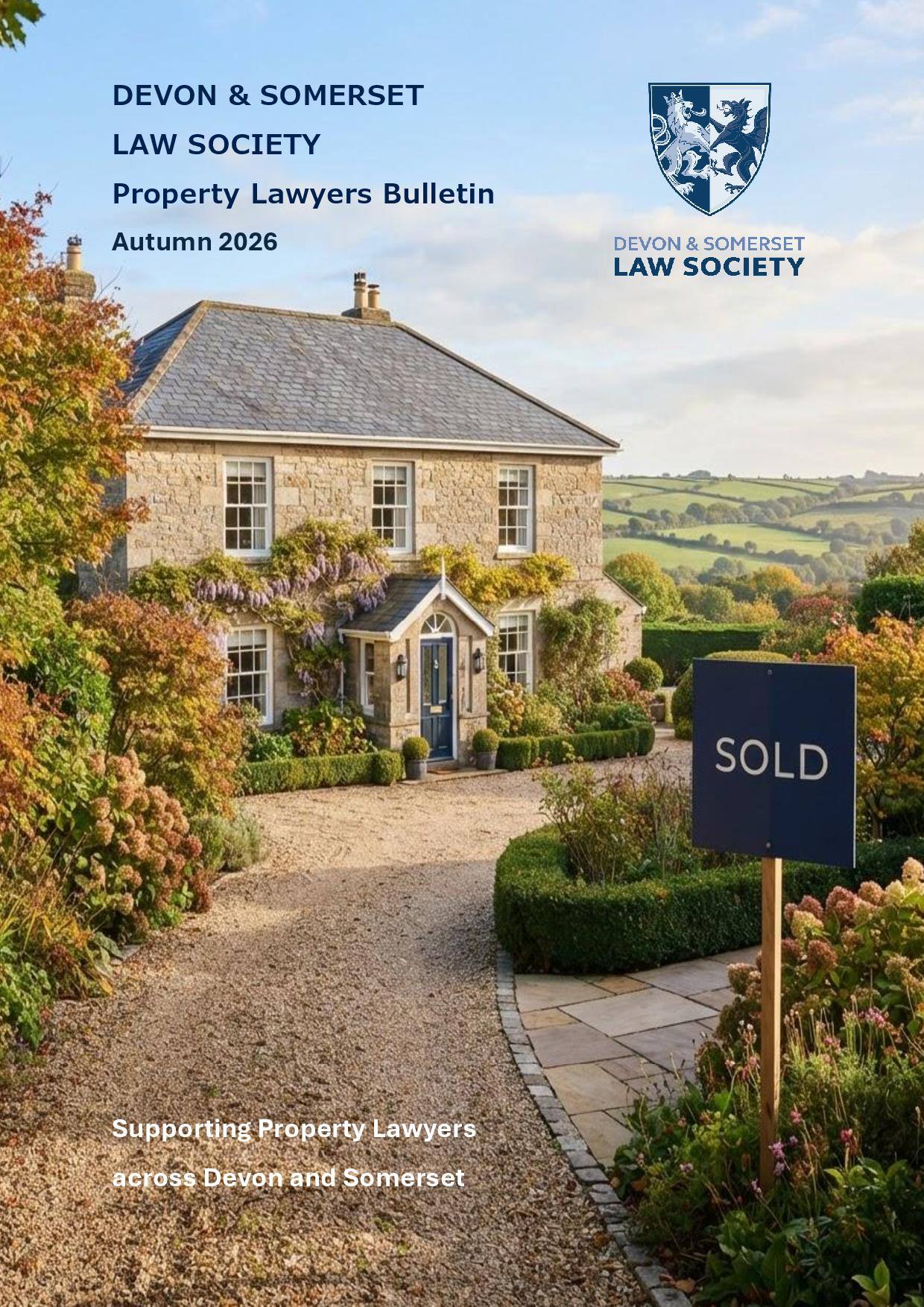
Take a look at our first Residential Property Bulletin. This compendium of information and views from some key stakeholders in residential property conveyancing work will appeal to conveyancers. CLICK HERE TO DOWNLOAD YOUR COPY...
28th September 2026 | blogging
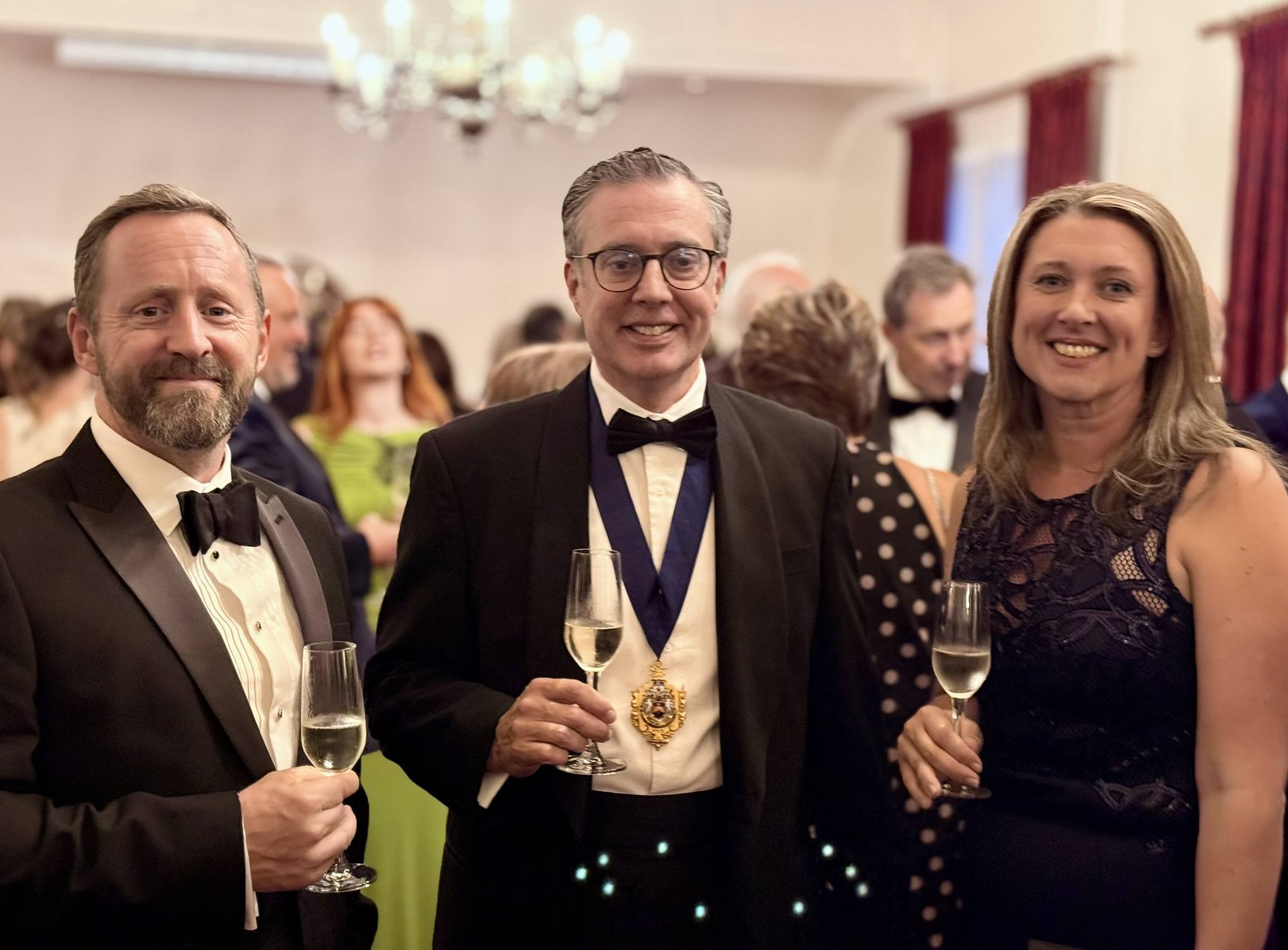
DASLS Autumn Dinner Fundraiser for Presidents Charity is a Huge Success80 guests came together at The Castle Hotel in Taunton for the DASLS Autumn Dinner on Friday 25th September 2026.We were delighted to be joined by our guest speaker Samantha Marsh, Senior Coroner for Somerset, who gave an insightful talk about her fascinating role. DASLS President Ben Darby's chosen charity YOUNG DEVON also joined us. Andrew Moreman, CEO for Young Devon shared the worthwhile support and very much needed work they provide to young people in Devon.In addition to the £1,637 Ben raised by completing the 15km Run Devon event, Ben raised £845 the on the night for YOUNG SOMERSET raising a total of £2,482 across the two charities. Thank you to all our guests for supporting the dinner, 12 law firms were represented in total and we also welcomed a number of our sponsors Insight6, Lloyd & Whyte, Smokeball, Wessex Searches, Landmark & MJ Bowers. If you would like to support YOUNG SOMERSET - DONATE HERE If you would like to support YOUNG DEVON - DONATE HERE Photos from the night can be VIEWED HERE...
17th September 2026 | blogging

DASLS were delighted to join Michael Cosgrave, colleague's from Wollens Solicitors and his friends and family at the Hotel Indigo in Torquay on Tuesday 15th September.We came together to celebrate both Michael and his dedication to his career. Chris Hart gave a lovely summary of Michaels long and successful career of over 50 years here in the South West followed by a few words from the man himself. Michael has been involved with DASLS for more years than we probably care to remember! Michael has been a long standing member, firstly of DELS (Devon & Exeter) and later DASLS following our merge with Somerset. Michael has remained and active member of the Board of Directors following his Presidency in 1992.Michael was one of the founding members of the DASLS International Committee and has spent many years travelling Europe with his international friends and colleagues. ...
14th September 2026 | blogging

🏃🏃WELL DONE BEN 🏃🏃 DASLS President Ben Darby took part in Young Devon’s annual fundraiser Run Devon on the 13th September 2026 to raise awareness and funds for his chosen Presidential Charity. Ben completed the 15km course in good time, what a great achievement.Young Devon is such an important cause dedicated to changing the opportunities presented to young people in our community. 🏫 bringing opportunities to our share of the 1 million young people not in education, employment or training that live in our community🏠 reducing homelessness amongst young people through direct provision of accommodation🧑⚕️ mental health and mentoring services for young peoplePlease donate what 💰 you can - Ben has set a fundraising target of £100 per km so £1,500. DONATE HERE ...
6 days ago | Blogging
Take a look at our first Residential Property Bulletin. This compendium of information and views from some key stakeholders in residential property conveyancing work will appeal to conveyancers. CLICK HERE TO DOWNLOAD YOUR COPY...
28th September 2026 | blogging
DASLS Autumn Dinner Fundraiser for Presidents Charity is a Huge Success80 guests came together at The Castle Hotel in Taunton for the DASLS Autumn Dinner on Friday 25th September 2026.We were delighted to be joined by our guest speaker Samantha Marsh, Senior Coroner for Somerset, who gave an insightful talk about her fascinating role. DASLS President Ben Darby's chosen charity YOUNG DEVON also joined us. Andrew Moreman, CEO for Young Devon shared the worthwhile support and very much needed work they provide to young people in Devon.In addition to the £1,637 Ben raised by completing the 15km Run Devon event, Ben raised £845 the on the night for YOUNG SOMERSET raising a total of £2,482 across the two charities. Thank you to all our guests for supporting the dinner, 12 law firms were represented in total and we also welcomed a number of our sponsors Insight6, Lloyd & Whyte, Smokeball, Wessex Searches, Landmark & MJ Bowers. If you would like to support YOUNG SOMERSET - DONATE HERE If you would like to support YOUNG DEVON - DONATE HERE Photos from the night can be VIEWED HERE...
17th September 2026 | blogging
DASLS were delighted to join Michael Cosgrave, colleague's from Wollens Solicitors and his friends and family at the Hotel Indigo in Torquay on Tuesday 15th September.We came together to celebrate both Michael and his dedication to his career. Chris Hart gave a lovely summary of Michaels long and successful career of over 50 years here in the South West followed by a few words from the man himself. Michael has been involved with DASLS for more years than we probably care to remember! Michael has been a long standing member, firstly of DELS (Devon & Exeter) and later DASLS following our merge with Somerset. Michael has remained and active member of the Board of Directors following his Presidency in 1992.Michael was one of the founding members of the DASLS International Committee and has spent many years travelling Europe with his international friends and colleagues. ...
14th September 2026 | blogging
🏃🏃WELL DONE BEN 🏃🏃 DASLS President Ben Darby took part in Young Devon’s annual fundraiser Run Devon on the 13th September 2026 to raise awareness and funds for his chosen Presidential Charity. Ben completed the 15km course in good time, what a great achievement.Young Devon is such an important cause dedicated to changing the opportunities presented to young people in our community. 🏫 bringing opportunities to our share of the 1 million young people not in education, employment or training that live in our community🏠 reducing homelessness amongst young people through direct provision of accommodation🧑⚕️ mental health and mentoring services for young peoplePlease donate what 💰 you can - Ben has set a fundraising target of £100 per km so £1,500. DONATE HERE ...